
31 Aug 2026
A practical, step-by-step guide for foreign manufacturers who want to export to Brazil: finding an importer of record, Incoterms, documentation, RADAR, and realistic shipping timelines.

Vinicius Alves Marques - Founder
Foreign Trade Specialist · Heyship
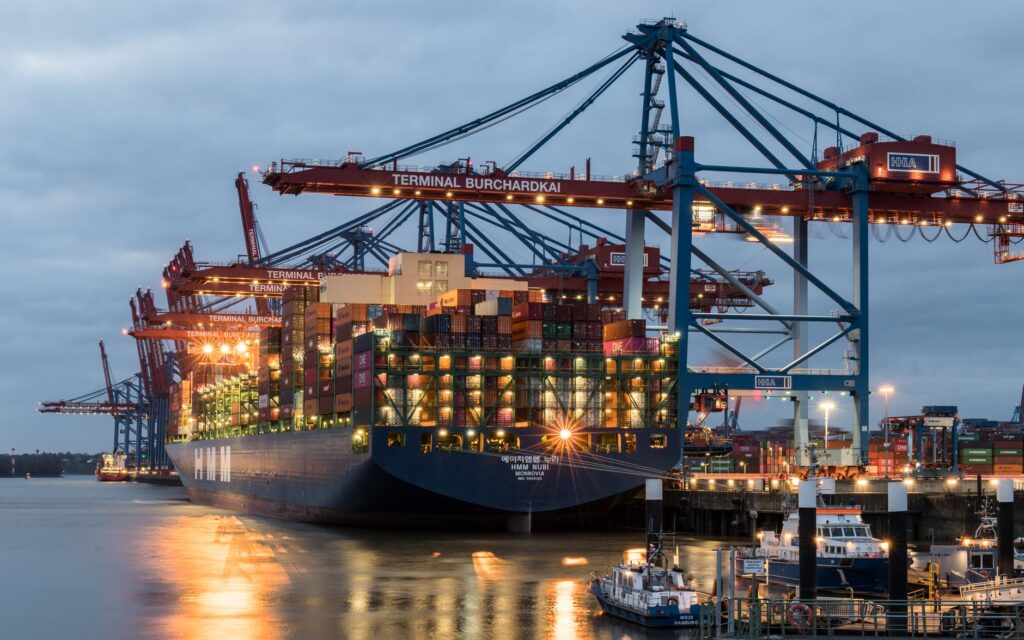
If you want to export to Brazil for the first time, the paperwork trail matters more than the product itself: a foreign manufacturer with no local presence has to work through a Brazilian importer of record, agree on the right Incoterm, and get the commercial invoice and packing list exactly right before a single container clears customs. Google autocomplete shows foreign sellers searching “export to Brazil from USA,” “export to Brazil from UK” and “export to Brazil from India” for a reason: the mechanics are the same regardless of where you ship from, and getting them wrong turns into a shipment stuck at the port, not a lost sale.
Why this matters: Brazil’s import bureaucracy is built around the importer, not the exporter, but a shipment only moves as fast as the documents the exporter sends. A manufacturer that understands the Brazilian side of the process closes deals faster and stops absorbing blame for delays that were preventable on day one.
Most first-time exporters treat Brazil like any other destination market and get stuck at the second step. The process is linear, but every stage depends on the previous one being done correctly.
Typical timeline from signed order to cargo release: 30-45 days for ocean freight from Asia, 15-25 days from the US or Europe, plus 3-10 additional days for customs clearance depending on whether the shipment is selected for physical inspection.
“A shipment only moves as fast as the weakest document in the file — and that document is usually the exporter’s, not the importer’s.”
On paper, the importer of record carries the legal and financial risk of bringing goods into Brazil: they hold the RADAR registration, they file the import declaration, and they pay the duties. In practice, the exporter carries a different kind of risk — reputational and commercial. A first-time Brazilian buyer with limited import experience will blame the supplier when a shipment gets held, even when the root cause is a customs classification the buyer chose or a RADAR limit they didn’t monitor.
This is why manufacturers that treat Brazil as a serious, recurring market ask their buyer two questions before the first shipment: is your RADAR registration active and at what financial limit, and who is your customs broker. A buyer that hesitates on either question is a signal to slow down, not speed up, the deal.
Patterns repeat across foreign suppliers exporting to Brazil for the first time.
In perspective: none of these three failures are exotic. They are the same three issues repeating across different products and origin countries, which means they are also the three things a foreign exporter can screen for before signing a purchase order.
Heyship is a Brazilian import-intelligence platform used by importers to plan and track shipments end-to-end, including landed cost simulation and customs data analysis. When the Brazilian buyer on the other side of your deal runs their import operation through a data-driven platform instead of spreadsheets, you get a counterparty who already knows their NCM classification, has verified their RADAR limit, and can quote a realistic landed cost before the purchase order is signed. If you are vetting a Brazilian buyer’s readiness to import from you, ask whether they use a platform like Heyship to model their costs and manage documentation — see the full list of Heyship features for what that looks like in practice.
7-day free trial · no credit card
Heyship turns import data into a competitive edge for your business.
At minimum: a commercial invoice, a packing list and a bill of lading (or air waybill), all with matching values, weights and product descriptions. Depending on the product, a certificate of origin or specific regulatory certificates may also be required before the shipment can clear customs in Brazil.
Yes. Brazil requires every import to have a local importer of record registered with Receita Federal (the federal tax authority) and holding an active RADAR registration. As a foreign manufacturer you cannot import directly into Brazil without a Brazilian entity acting as importer, whether that is your buyer or a trading company.
RADAR (Registro e Rastreamento da Atuação dos Intervenientes Aduaneiros) is the registration Receita Federal grants to companies authorized to operate in Brazilian foreign trade. It belongs to your Brazilian buyer, not to you, but it directly affects you: each RADAR registration has a financial ceiling on import value, and if your shipment value exceeds your buyer’s ceiling, customs will hold it until the registration is upgraded.
FOB (Free on Board) is the most common choice: the exporter delivers the goods on board the vessel at the origin port, and the Brazilian importer handles freight and insurance from there. Use EXW only if your buyer has proven freight-forwarding experience, and consider CIF or CFR if you already manage ocean freight and want to offer your buyer price certainty.
Most shipments with correct documentation clear in 2-5 business days after arrival. Shipments selected for physical inspection (“canal vermelho” — red channel) can take an additional 5-10 days. Accurate NCM classification and matching invoice and packing list values are the biggest levers exporters have over this timeline.
Exporting to Brazil is not harder than exporting anywhere else — it is more sequential. Every stage depends on the one before it being airtight, and the exporter controls more of that sequence than most first-timers realize.
Written by
Vinicius Alves Marques - Founder
Foreign trade specialist and founder of Heyship. Tracks Brazilian import data daily to turn numbers into business intelligence.
Heyship on LinkedInHeyship turns import data into a competitive edge for your business.
Try it free